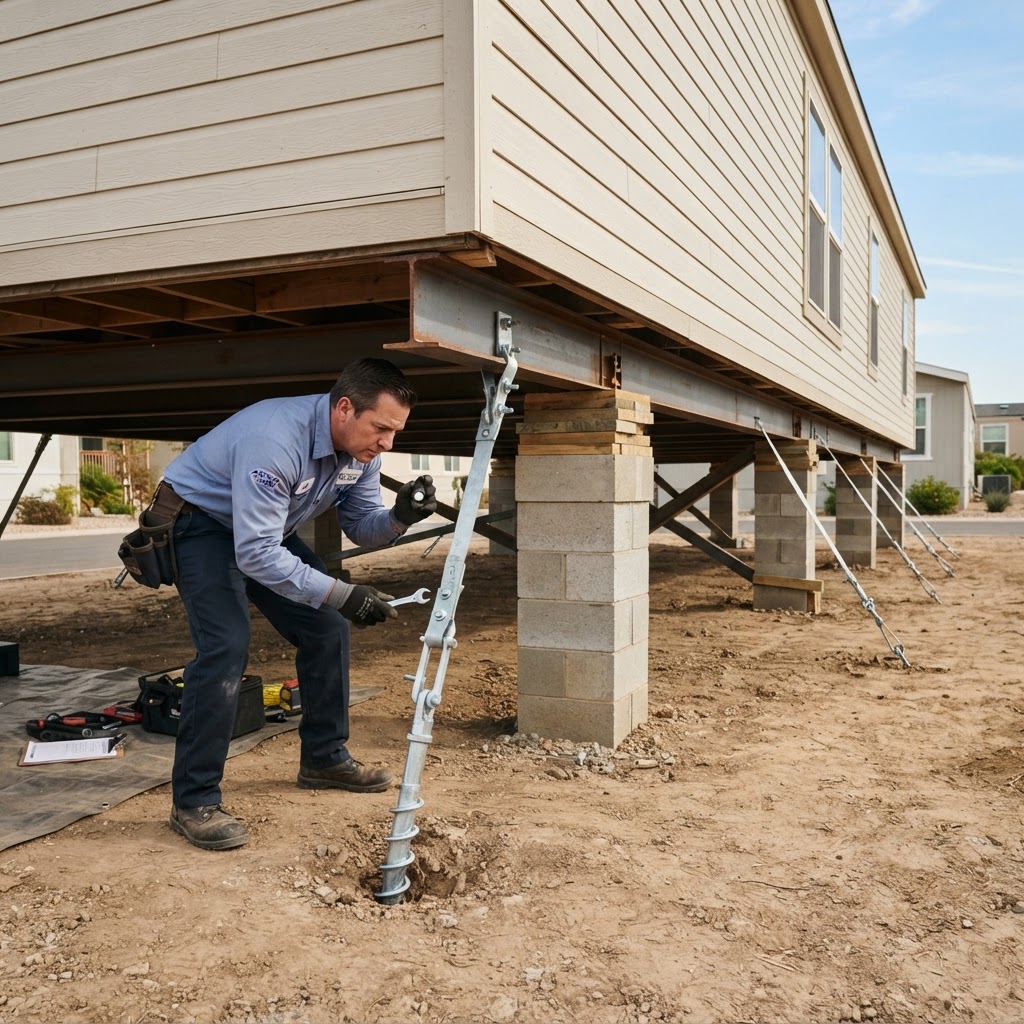
Mobile Home Park Lease: What Your Lot Lease Actually Says To You
Lot rent, increase rules, maintenance duties, resale rights, and park sale risk: the clauses in a land lease that decide what owning a home in a park really costs.
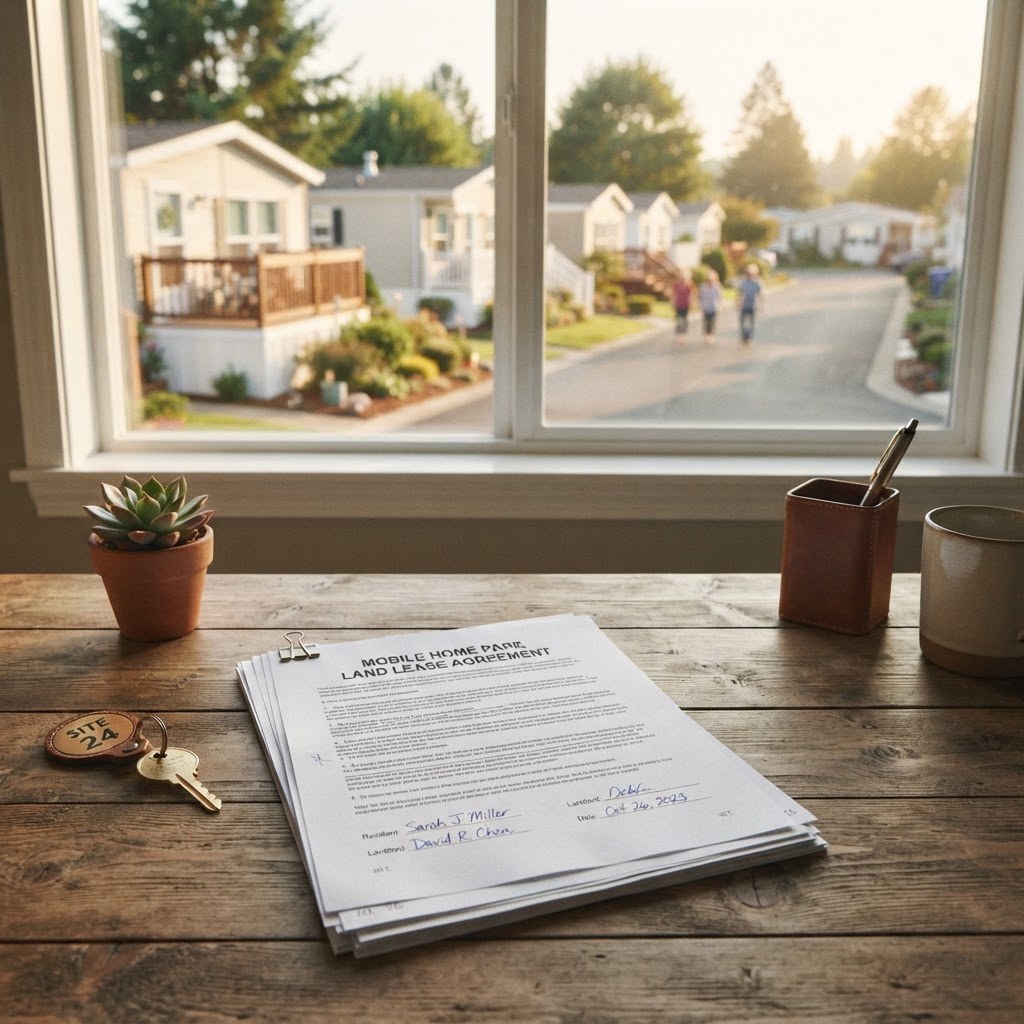
A Mobile Home Park lease is the second contract in a park purchase, and buyers routinely focus on the loan while barely reading it. The lease decides what your housing costs do over time, who fixes what, whether you can sell your home in place, and what happens if the park changes hands. In many states the lease is also where your legal protections live, because the home is personal property and the lot is rented.
This guide covers the lease types you will encounter, the clauses that carry real money, and what to ask for before you sign.
Quick answer: a park land lease rents the lot under your home. It sets the space rent, the term, the increase rules, maintenance duties, community rules, and your rights to sell or rent the home. Read it with the same attention as the loan, and get every promise in writing.
The Lease Types You Will See
Month-to-month. Renews automatically and can typically be changed on short notice, subject to state law. Flexible, but the least protection against rent increases.
Twelve-month renewable. The most common structure. Rent is set for the year and increases at renewal, sometimes capped by the lease, sometimes by state law, sometimes not at all.
Multi-year term. Longer leases exist, sometimes five to ten years, occasionally longer. They can include scheduled increases and are worth asking about when you finance, since some loan programs require a minimum remaining term.
Rent-stabilized or rent-controlled parks. Some jurisdictions, California among them, regulate increases in certain parks and impose additional procedural rules on park owners. Whether your park is covered is a legal question worth confirming, not assuming.
Resident-owned communities. Instead of rent, you may own a membership share in the cooperative and pay a monthly maintenance fee. It is a different legal structure with different risks, and the fee can change with the community's budget.
What the Lease Should Spell Out
Space rent and the due date, the grace period, and late fees. Confirm the exact current amount in writing rather than from a listing or a conversation.
Rent increases: how much, how often, and how much notice is required. Ask for the increase history of the last three years. A park that has raised rent sharply each year will likely continue.
Term and renewal: whether the lease renews automatically, what notice either side must give, and whether you have a right to a renewal offer.
Utilities: whether water, sewer, gas, electric, and trash are included, master-metered and billed back, or separately metered in your name. Submetered or allocated billing deserves scrutiny, since rates and fees can exceed what you would pay directly.
Maintenance split: the park usually maintains roads, common areas, and the utility lines up to your connection; you maintain the home, skirting, steps, decks, and the home's own plumbing and electrical. Get the boundary in writing, especially for sewer and water line repairs under the lot.
Rules: occupancy limits, guests and how long they can stay, pets and breed or size limits, vehicles and parking, exterior appearance and landscaping, home age minimums, and any 55-and-older restrictions.
Resale and rental rights: whether you may sell the home in place, whether the park must approve the buyer, whether the park has a right of first refusal, what transfer or screening fee applies, and whether you may rent the home to a tenant.
Park sale or closure: what notice you get, and whether the park must offer residents an opportunity to purchase in your state.
Dispute and termination: the grounds for terminating the lease, the notice process, and whether mediation or a state agency is involved. Some states have a mobilehome ombudsman or a dedicated dispute process.
Rent Is Not the Only Number
Add up the full monthly obligation before you buy: space rent, any pass-through charges, utilities not included, insurance, loan payment, and any community fees. Then test it against a rent increase. A payment that is comfortable today can become tight after two annual increases, and lenders count space rent in your debt-to-income ratio, so it also limits what you can finance.
Ask what the rent includes and what it does not. A park advertising an attractive base rent may bill water and trash separately at rates you cannot control.
Negotiating and Verifying Before You Sign
Ask for the lease and the rules before you make an offer, not at closing. Ask the seller for the last few years of rent statements or canceled checks, which show what was actually paid. If the park is offering a lower rent to a new buyer than to the current owner, find out why.
Points worth negotiating, especially on a home you plan to keep: a fixed schedule of increases, a longer initial term, a cap on annual increases, written allocation of maintenance responsibilities, and clarity on resale approval timing so a future sale is not held up indefinitely.
Red Flags in a Park Lease
- Verbal rent figures with nothing in writing
- A lease that can be changed at will without notice requirements
- Rent that is well below the market for the area, which often resets after a sale
- Rules that prohibit selling the home in place, or that give the park unlimited discretion over a buyer
- Ambiguity about who pays for sewer or water line repairs under the lot
- No stated term, or a term that expires within the first year of your loan
- Signs the park is for sale, in receivership, or behind on utilities
Records to Keep
Signed lease and all amendments, the rules and any updates, rent increase notices, payment receipts, maintenance requests and responses, and dated photos of the lot and home at move-in. If a dispute arises, a written record is what matters.
Land Lease FAQ
How much can the park raise my rent?
It depends on the lease and your state. Some leases set a cap or a fixed schedule, some jurisdictions regulate increases, and some allow increases with notice and no cap. Read the lease and confirm local rules.
Do I own the land?
No. You own the home and lease the lot. That is why the home is usually financed with a chattel loan rather than a mortgage.
Can the park evict me?
Termination is governed by the lease and state law, and generally requires specific grounds and notice. Nonpayment, rule violations, and lease expiration are common grounds. State procedures vary significantly.
Can I rent my home out to someone else?
Only if the lease allows it. Many parks restrict or prohibit subletting or renting the home to a tenant.
What happens if the park is sold?
Your lease generally survives a sale, and state law may require notice or give residents a purchase opportunity. Ask for the current lease language on park sales.
Is lot rent negotiable?
Sometimes, particularly for a longer term or a home the park wants to keep occupied. What is written in the lease is what counts, not what a manager says during a showing.
Next Steps
Before you buy, read how financing works for a home in a park and chattel loans for a mobile home, then confirm insurance requirements and your down payment options. Browse parks we serve and homes for sale, or get pre-approved so your budget already includes the lot rent.
This article is educational and is not legal advice. Lease terms and tenant protections vary by state and community.
Related Topics