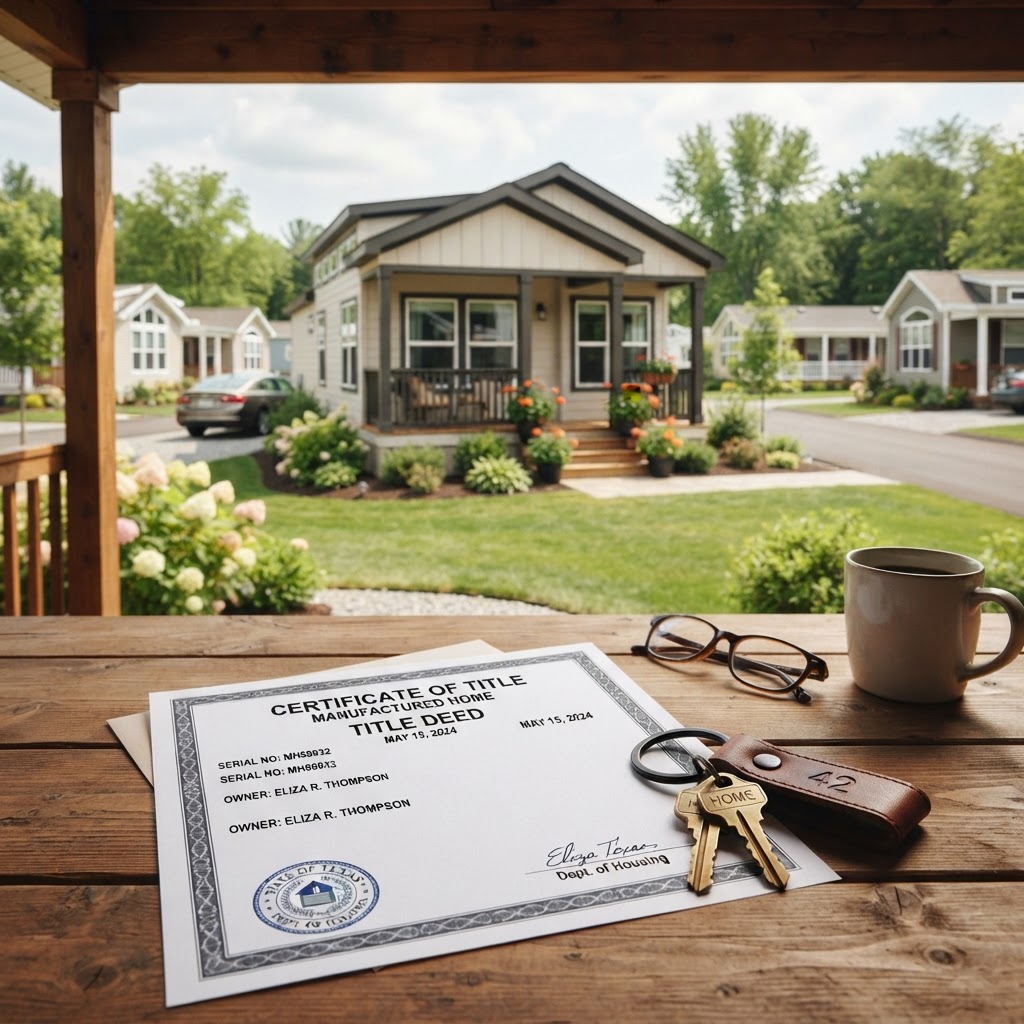
First Time Buyers Guide To Mobile Home Financing
Navigating mobile home financing can be straightforward when you know what to expect. This guide walks you through the process, requirements, and affordability benefits of choosing manufactured home living.
Entering the housing market is a significant milestone, and for many, the path to homeownership leads directly to the manufactured housing market. Mobile homes offer a unique opportunity to own a comfortable, modern residence at a price point that is often significantly lower than traditional site-built homes.
However, financing a mobile home is different from getting a standard mortgage. Understanding how these loans work is the first step toward securing your future home.
The Basics of Mobile Home Loans
Unlike traditional mortgages that bundle the house and land together, mobile home financing often involves a chattel loan. A chattel loan is a personal property loan that covers the home itself, even if the home sits on rented land in a mobile home park.
Because the home is considered personal property rather than real estate in this scenario, the financing terms, interest rates, and loan requirements differ from conventional home loans. It is important to know that while these loans are tailored to mobile homes, they are designed to be accessible, helping buyers transition from renting apartments or traditional homes into their own space.
Understanding Affordability and Budgeting
One of the primary reasons buyers choose mobile homes is affordability. When planning your purchase, you must account for more than just the purchase price of the home. If you are buying a home located in a mobile home park, you will need to factor in monthly lot rent, park fees, and potentially utility costs.
A good rule of thumb is to ensure your total housing payment—including your loan installment and lot rent—does not exceed 30% of your monthly gross income. Before you start shopping, get a clear picture of your credit score and current debt-to-income ratio.
Lenders will review these figures to determine the loan terms they can offer. By keeping your other debts low and saving for a down payment, you can improve your chances of qualifying for more favorable terms.
The Step-by-Step Loan Process
The journey to financing starts with preparation.
- identify the specific home you wish to purchase, as the year, make, and model are vital for the lender's appraisal process.
- gather your documentation, including proof of income, tax returns, and bank statements.
- submit your loan application.
A specialized lender will review your application to verify the property's eligibility and your financial stability. Once approved, the closing process involves signing the loan agreement and transferring the title.
Unlike site-built homes, which may take months to close, mobile home loans often move through the pipeline much faster, sometimes allowing you to move into your new home in a matter of weeks.
Preparing for Your Application Success
Success in financing begins with a clean financial profile. Lenders want to see stability and consistency. Avoid making large, unverified deposits into your bank accounts or opening new lines of credit immediately before applying, as these actions can complicate the underwriting process.
Ensure you have the necessary information about the mobile home, including the HUD label number, which confirms that the home meets federal building standards. If you are buying a home in a park, you will also need to be approved by the park management.
Most lenders will want to see proof that you have secured residency in the park as a condition of the loan. By being organized and proactive, you turn a complex financial task into a manageable checklist.
Frequently Asked Questions
Can I get a loan if the home is in a park?
Yes, most mobile home financing is designed for homes located in leased-land communities. You will typically use a chattel loan for these transactions.
What is the typical down payment for a mobile home?
Down payment requirements vary based on your credit history and the age of the home, but they generally range between 5% and 20% of the total purchase price.
Do I need a home inspection?
Yes, a professional home inspection is highly recommended. It ensures the home is in good condition and helps you avoid unexpected repair costs shortly after move-in.
Can I refinance my mobile home later?
Yes, if you currently own a mobile home, you may be able to refinance to lower your interest rate, shorten your loan term, or access equity for home improvements.
Related Topics